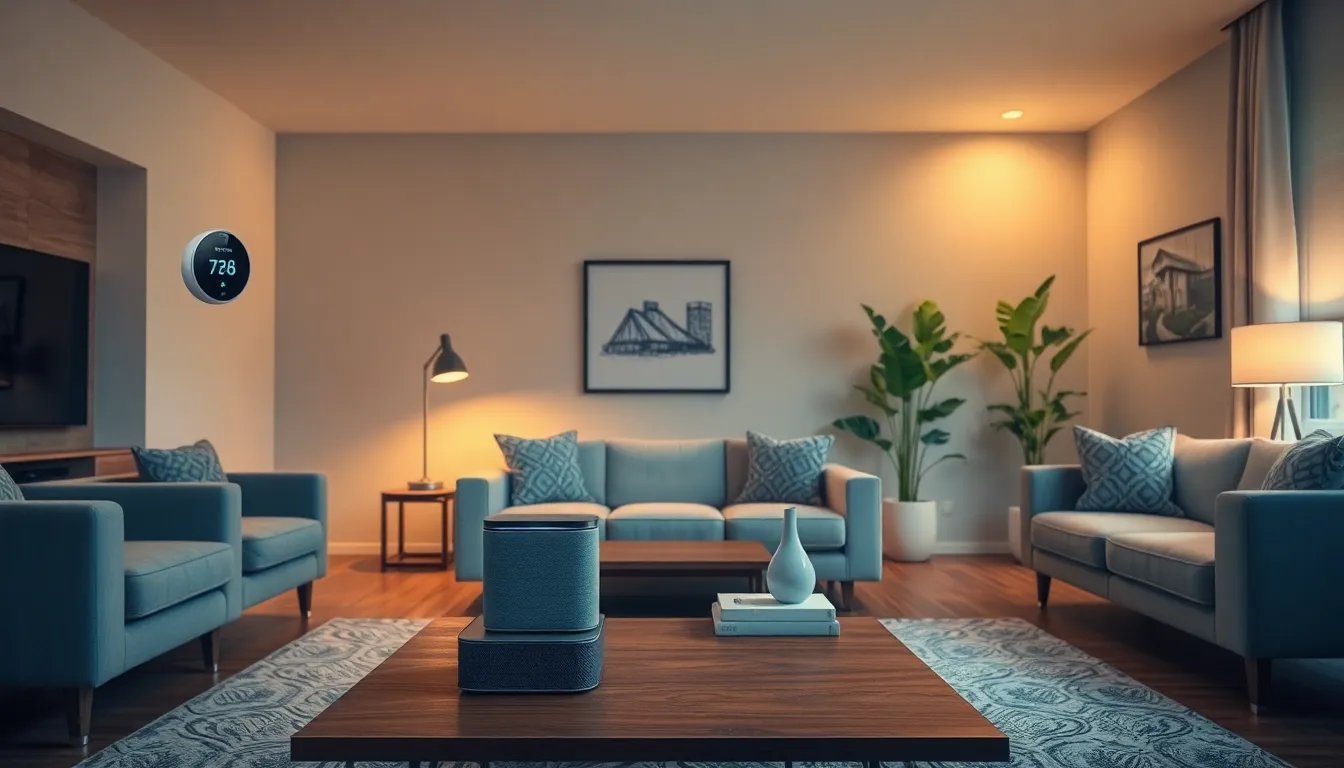
Imagine walking into your home and having it greet you like an old friend. Smart home devices are turning that dream into reality, making homes not just smarter but also a lot more fun. From voice-activated assistants that can play your favorite tunes to smart thermostats that know when you’re too hot to handle, these gadgets are revolutionizing daily life.
Overview of Smart Home Devices
Smart home devices function by integrating technology into everyday life, creating an automated and convenient living environment. Popular options include smart speakers, which allow users to control music, lighting, and compatible devices through voice commands. Smart thermostats adapt to preferences, maintaining comfort while optimizing energy use.
Security systems offer features such as cameras and motion detectors that enhance home safety. Many systems allow remote monitoring through mobile apps, ensuring homeowners receive alerts in real time. Smart lighting solutions enable users to customize ambiance, set schedules, and control brightness through smartphones or voice commands.
Appliances also join the smart home trend. Smart refrigerators can create grocery lists, alert users about expired items, and even connect to smartphones for remote management. Smart ovens offer guided cooking settings, ensuring meals are prepared perfectly.
Smart home hubs act as control centers, coordinating various devices for seamless operation. They centralize control for compatibility across different brands. Hence, users experience enhanced convenience and simplified automation with unified management.
Energy management devices track consumption patterns, assisting users in making informed decisions about usage. These devices evaluate energy habits, reducing costs and promoting sustainability.
Overall, smart home devices significantly impact the way people interact with their environments. Integration and compatibility across various devices enhance convenience, security, and energy efficiency. As technology evolves, smart home offerings continue to expand, promising a more connected lifestyle.
Benefits of Smart Home Devices

Smart home devices offer numerous benefits that enhance everyday living. These technologies streamline various tasks, making home management easier and more efficient.
Increased Convenience
Convenience stands out as a primary advantage of smart home devices. Users set schedules for smart lights, enabling timely illumination without manual effort. Smart speakers allow voice commands to play music or adjust settings, simplifying multitasking. Homeowners enjoy controlling appliances remotely through smartphone apps, providing flexibility with daily routines. Devices like smart locks let residents grant access to guests without being present, enhancing ease and peace of mind. Smart thermostats automatically adjust temperatures based on user habits, ensuring comfort without constant adjustments.
Enhanced Security
Enhanced security represents another crucial benefit of smart home devices. Surveillance cameras with real-time notifications let homeowners monitor their properties from anywhere. Smart doorbells provide video feeds, allowing users to see and communicate with visitors from their smartphones. Advanced security systems often feature motion detection and alerts for unusual activity, increasing awareness of potential threats. These systems integrate with other devices for comprehensive security solutions. Remote access to alarm systems enables users to manage settings and monitor events, enhancing overall safety.
Energy Efficiency
Energy efficiency emerges as a significant perk of smart home devices. Smart thermostats optimize heating and cooling based on user preferences, reducing energy consumption while maintaining comfort. Programmable lighting systems ensure that lights operate only when needed, conserving electricity. Homeowners receive insights into energy usage through monitoring devices, allowing for informed decisions about consumption. Smart outlets help users identify energy hogs, enabling adjustments to save on utility bills. By using these technologies, households not only lower costs but also contribute to environmental sustainability.
Popular Types of Smart Home Devices
Smart home devices come in various types, each designed to improve convenience, security, and energy efficiency. Here are some popular categories.
Smart Speakers
Smart speakers provide hands-free control for music, information, and smart home devices. Many offer voice-activated assistants that respond to questions and commands, allowing users to manage tasks easily. Examples include the Amazon Echo and Google Nest, which integrate with various smart home ecosystems. These devices enable users to create routines, stream music, and control compatible devices with simple voice prompts. They also serve as intercom systems, allowing communication between rooms. Smart speakers can even provide reminders or news updates, enhancing daily living.
Smart Thermostats
Smart thermostats optimize heating and cooling systems to maximize comfort while minimizing energy use. Models like the Nest Learning Thermostat learn user preferences, automatically adjusting temperatures based on habits. This function helps maintain an ideal climate while reducing utility bills. Remote access via smartphone apps enables users to adjust settings from anywhere. Features such as geofencing activate heating or cooling when people are home or away. Energy usage reports provide insights, helping users make informed decisions about their energy consumption.
Smart Lighting
Smart lighting solutions offer customizable control over home ambiance. Products like Philips Hue allow users to adjust color and brightness through smartphone apps or voice commands. These devices enhance mood by changing colors for different activities, such as reading or entertaining. Scheduling options enable lights to turn on or off automatically, providing security when homeowners are away. Integrating smart lighting with other devices enhances automation, creating dynamic environments. Energy-efficient LED technology in smart bulbs reduces electricity consumption while providing adaptable lighting.
Smart Security Systems
Smart security systems provide comprehensive monitoring and protection for homes. Devices such as Ring video doorbells and Arlo security cameras allow real-time surveillance from anywhere via mobile apps. Features include motion detection, instant alerts, and two-way communication, enhancing home security. Systems can integrate with smart locks for controlled access to buildings. Some units enable remote arming or disarming, offering flexibility and peace of mind. Additionally, these systems often store footage in the cloud, providing users with historical data for review.
Considerations When Choosing Smart Home Devices
Selecting the right smart home devices requires careful thought. Users must evaluate factors such as compatibility, budget, and user-friendliness before committing to any technology.
Compatibility and Integration
Compatibility with existing systems ranks high on the list of priorities. Smart home devices should integrate seamlessly with platforms like Amazon Alexa, Google Assistant, or Apple HomeKit. Users might look for products that offer support for multiple ecosystems, allowing for more device options. Reviewing device specifications helps ensure the chosen products will connect without issues. Additionally, a centralized smart home hub can streamline control by facilitating communication between various devices.
Budget and Cost
Budget considerations often influence smart home device choices. Prices vary widely based on features, brands, and technologies. Setting a budget ahead of time aids in narrowing down options. Essential devices, like smart speakers and smart bulbs, typically come at lower price points. More advanced options, such as smart security systems or thermostats, usually demand higher investments. Users should also consider potential long-term savings on energy bills and security enhancements, which can balance initial costs.
User-Friendliness
User-friendliness significantly impacts the overall experience with smart home devices. Intuitive interfaces make it easier for individuals to operate their devices effectively. Many devices offer companion apps designed for simplicity and convenience, enhancing usability. Voice control capabilities also contribute to a more accessible experience. Users should prioritize devices with straightforward setup processes, ensuring a smooth transition into smart technology.
Future Trends in Smart Home Technology
Advancements in artificial intelligence shape the future of smart home technology. Devices are becoming increasingly intelligent, enabling them to learn habits and preferences. For instance, AI-powered assistants analyze user interactions to deliver more personalized experiences over time.
Enhanced interoperability among devices is on the horizon. Many manufacturers focus on creating products that seamlessly connect with one another, improving user experience. This trend allows homeowners to manage multiple devices from a single application, increasing convenience and functionality.
Energy-efficient smart devices gain popularity as consumers prioritize sustainability. Homes will likely include gadgets programmed to optimize energy consumption based on data analysis. Users benefit from insights that help them understand usage patterns, leading to reduced utility costs and a smaller carbon footprint.
Expanded voice control capabilities transform home automation. Consumers want to control more aspects of their homes through voice commands. As voice recognition technology improves, smart devices will respond to more complex requests, enhancing overall interaction.
Security technology continues to evolve, driving greater demand for smart surveillance systems. Innovative features like facial recognition and real-time alerts improve safety. Homeowners increasingly choose devices that integrate with existing security systems for comprehensive coverage.
Lastly, the rise of home health monitoring systems caters to an aging population. Smart devices equipped with health-tracking features support users in tracking vital signs and medication schedules. These technologies empower individuals to manage their health from the comfort of home, ensuring peace of mind for families.
The future of smart home technology promises substantial advancements, underscoring the ongoing integration of intelligence, efficiency, and security into daily living.
Smart home devices are revolutionizing daily living by providing convenience security and energy efficiency. As technology continues to evolve homeowners can expect even greater integration and personalization in their smart environments. The ongoing advancements in artificial intelligence and interoperability will enhance user experiences making homes not only smarter but also more sustainable.
With a growing array of options available it’s crucial for consumers to consider compatibility budget and ease of use when selecting devices. Embracing smart home technology can lead to a more enjoyable and efficient lifestyle. As these innovations become more accessible the future of home automation looks promising empowering individuals to create personalized living spaces that cater to their unique needs.