
Ever wondered who the <a href="https://gearledger.com/cfo-services-for-startups“>GoddessOfKosomak is? It’s a tale that weaves together myth, culture, and human fascination. She’s not just a name: she’s an emblem that embodies the spirit of a myriad of beliefs, celebrated across lands and ages. Whether you’re a history buff, a mythology enthusiast, or just someone curious about the divine, this deep jump into the essence of the GoddessOfKosomak promises to reveal insights that will leave you appreciating her more than a morning coffee. So, grab your imaginary laurel wreath, and let’s embark on this enchanting journey.
Origins Of The GoddessOfKosomak
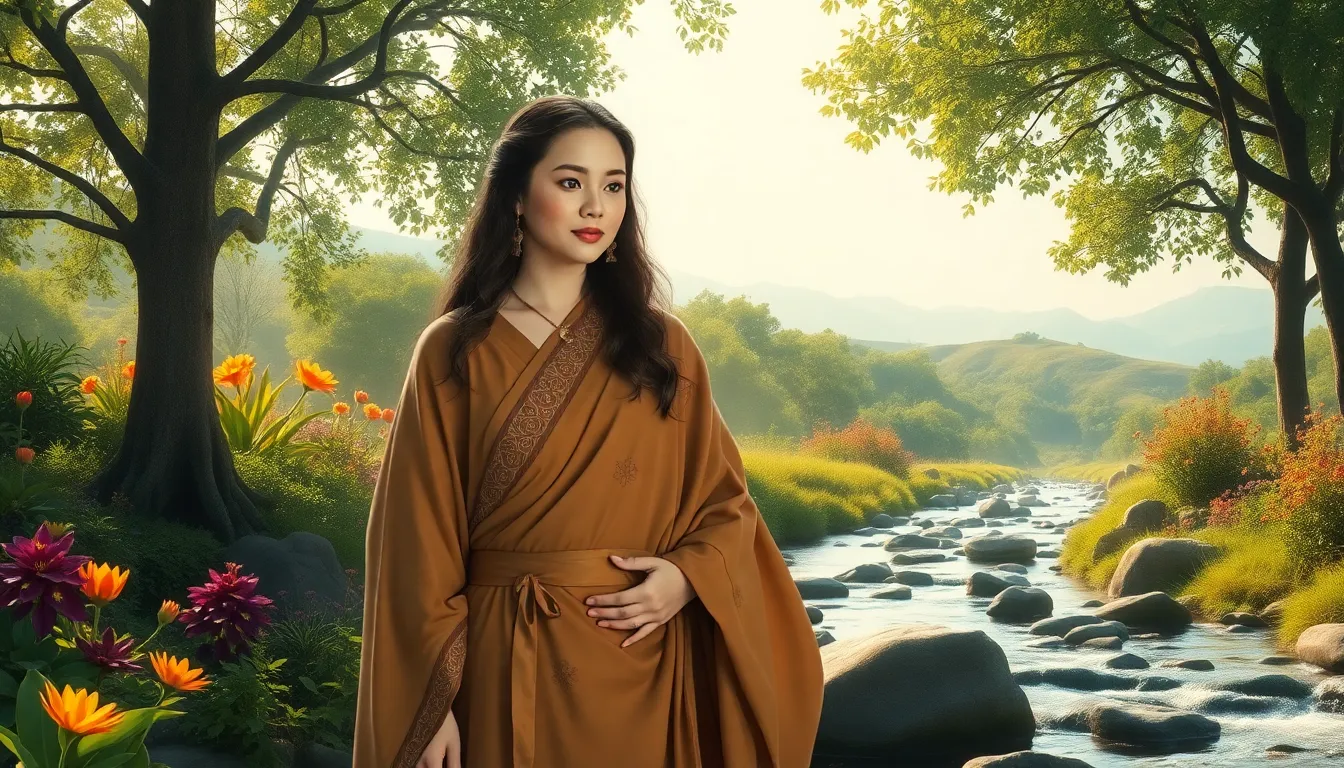
The narrative of the GoddessOfKosomak finds its roots in ancient storytelling, rich with layers of meaning. Legends suggest that she emerged from the fertile lands, brought forth by the very essence of creation. Traditionally, the tales paint her as a nurturing figure connected intimately with nature, revered for her ability to bring forth abundance and harmony. There are various accounts of her exploits, illustrating her journey through trials and tribulations that resonate with the human experience. Scholars argue this duality in her character, a blend of mercy and fierce protection, allows her to maintain a revered status across different cultures.
In numerous mythologies, the genesis of such deities often arises from the need to explain the natural world. The GoddessOfKosomak’s stories have evolved over centuries, creating a tapestry that reflects regional beliefs and practices. From ancient text scrolls to modern interpretations, her origins reveal the blend of myth, magic, and the profound human longing for understanding our relationship with nature.
Cultural Significance And Influence
Culturally, the GoddessOfKosomak stands as a beacon of wisdom and strength, influencing various societies in manifold ways. Many communities celebrate her with festivals, rituals, and even poetry, depicting her significance in everyday life. In some regions, she symbolizes fertility and harvest, reminding inhabitants of the cycles of life inherent in nature. Her impact goes beyond mere folklore: it seeps into art, literature, and even contemporary media.
Incorporating her story into modern narratives has provided fresh ground for cultural discourse. Some educators use her stories as engaging tools, illustrating broader themes such as resilience, community, and respect for nature. Artists too, have found inspiration in her narrative, creating magnificent works that capture the vibrance of her persona and bring the age-old tales to contemporary audiences.
The Attributes And Symbols Associated With The Goddess
The attributes of the GoddessOfKosomak are as varied as the cultures that celebrate her. Often depicted with elements that symbolize nature, she is frequently portrayed alongside animals, plants, or celestial bodies, reflecting her harmony with the environment. Her symbols are intricately linked to earth’s cycles – think cornucopias representing abundance or the moon embodying cyclical time.
Also, colors play a significant role in her representation. Green shades symbolize growth and fertility, while blues might represent her connection to the cosmos. Each symbol tells a story, reflecting the values and beliefs of those who invoke her name. The richness of her attributes goes beyond aesthetics, tethering her essence to the sacred beliefs of humanity.
GoddessOfKosomak In Contemporary Society
In today’s world, the GoddessOfKosomak has found new life through contemporary consciousness and cultural awareness. People increasingly turn to her as a symbol of empowerment and environmental stewardship. Environmental movements occasionally borrow her imagery to emphasize earth care, invoking her as a reminder of our responsibility towards nature.
Besides, wellness and spiritual communities have adopted her narrative, celebrating her attributes as they promote holistic lifestyles. Workshops and events dedicated to reconnecting with nature often reference her, showcasing her as an inspiring figure for personal growth and societal change. The move towards sustainability and the appreciation of indigenous knowledge systems bring her story back to the forefront, allowing new generations to rediscover and reinterpret her wisdom.
Artistic Representations And Their Meaning
Art has always been a powerful medium to encapsulate the essence of the GoddessOfKosomak. From ancient carvings in stone to intricate paintings and sculptures in galleries today, her persona inspires countless artists. Each piece of art offers a different interpretation, a new lens through which to view her significance.
For instance, sculptures often capture her beauty and strength, giving life to her myths and making her accessible to audiences. Paintings, particularly those highlighting vibrant landscapes, reflect not only her connection to nature but also emphasize the emotional depth behind her stories. Curators often note that these artistic representations serve dual purposes: they celebrate her role as a deity while educating the public about cultural heritage. The continuity of her artistic presence illustrates how deeply ingrained she is in the collective consciousness.
Rituals And Practices Linked To The Goddess
Rituals celebrating the GoddessOfKosomak span a wide range of practices, each reflecting the values of the cultures from which they originate. Time-honored traditions involve offerings to her and rituals for fertility and harvest, often timed with specific seasonal changes. Communities gather to honor her presence, engaging in celebrations that encompass song, dance, and shared feasts, traditions that foster unity and connection.
Modern practices have emerged, often intertwining ancient rites with new beliefs. Some might incorporate yoga or meditative practices that aim to connect with her essence, emphasizing healing and groundedness. The rituals serve not only as homage but also as a means of community-building, reinforcing bonds among participants while honoring the earth.