Imagine waking up to a home that knows you better than your best friend. Smart environment control isn’t just a fancy term; it’s the future of living. With the power to adjust lighting, temperature, and even air quality at the touch of a button, it transforms mundane spaces into personalized paradises. Who wouldn’t want their living room to feel like a cozy café or their bedroom to mimic a serene spa?
In a world where convenience reigns supreme, smart environment control offers a blend of comfort and efficiency that’s hard to resist. It’s not just about tech-savvy gadgets; it’s about creating an atmosphere that enhances daily life. So, why settle for ordinary when you can embrace extraordinary? Let’s dive into how these innovations can turn your home into a smart sanctuary, leaving you wondering how you ever lived without them.
Overview of Smart Environment Control
Smart environment control revolutionizes how individuals interact with their living spaces. This technology allows seamless adjustment of lighting, temperature, and air quality, catering to personal preferences and enhancing overall comfort. Smart thermostats, for instance, adapt to user habits, optimizing energy usage while maintaining ideal temperatures.
Automated lighting systems provide convenience and can create desired moods by adjusting brightness based on the time of day or activities. Sensors in these systems detect presence, ensuring energy efficiency and safety. Furthermore, air quality monitors track indoor pollutants, automatically adjusting ventilation for a healthier living environment.
IoT (Internet of Things) connectivity plays a crucial role in smart environment control. Devices communicate with each other for cohesive functionality. For example, integrating smart curtains with daylight sensors can maximize natural light while reducing heating costs.
User control options expand significantly with mobile apps and voice commands, enabling real-time adjustments from any location. Remote access ensures that individuals can maintain their preferred settings even when away from home.
Energy efficiency goes hand-in-hand with these innovations. Statistics show that smart home devices can reduce energy consumption by up to 30%. This reduction leads to cost savings and a smaller carbon footprint.
Overall, smart environment control transforms homes into responsive havens, blending technology with everyday life. Embracing these advancements can significantly enhance living comfort and contribute to a sustainable future.
Benefits of Smart Environment Control
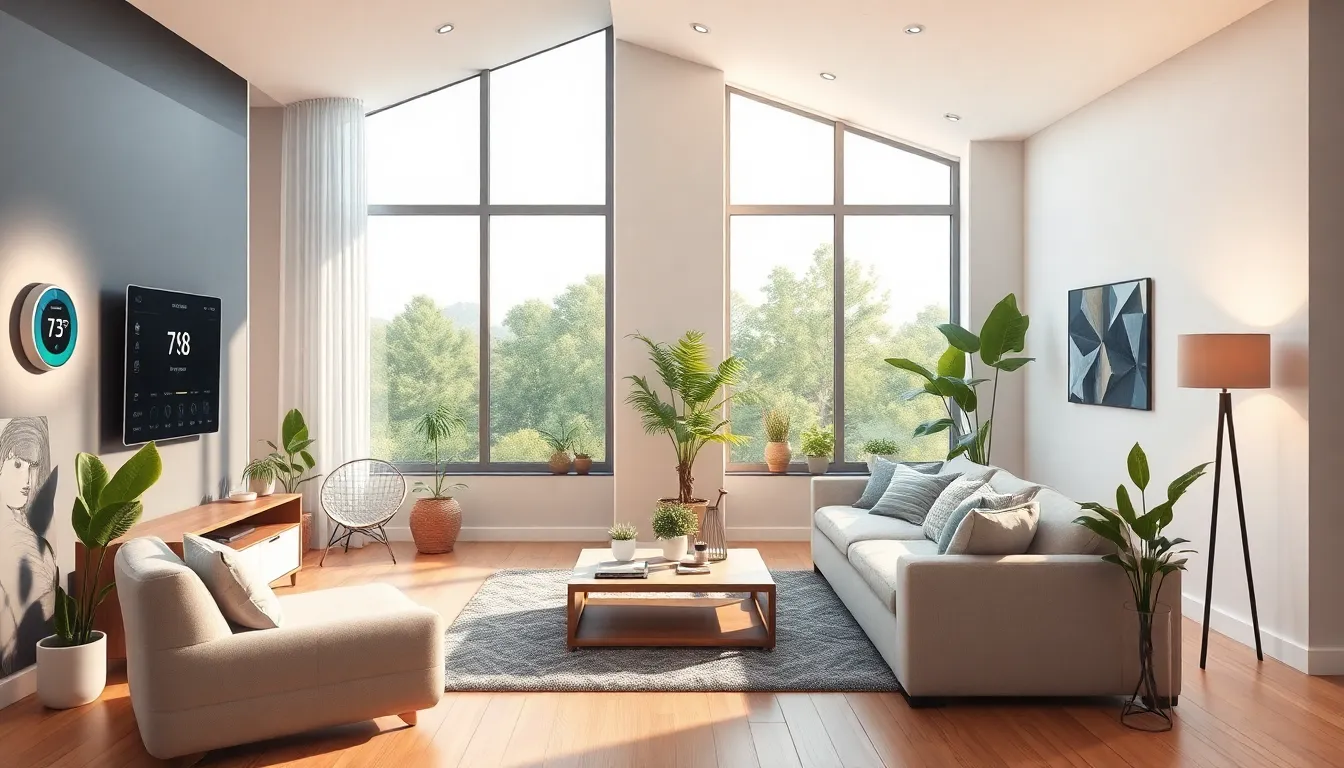
Smart environment control significantly enhances living spaces by prioritizing energy efficiency and comfort. Technological advancements create personalized experiences tailored to individual preferences.
Energy Efficiency
Smart devices promote energy efficiency through automated adjustments. According to statistics, smart home technology can reduce energy consumption by up to 30%. These systems monitor usage patterns, optimizing heating and cooling based on occupancy. Users can schedule devices to operate during off-peak hours, further reducing costs. Integration with renewable energy sources also supports sustainable living. By minimizing waste, smart environment control systems contribute to eco-friendly practices and lower utility bills. Overall, energy savings and environmental benefits lead to a more sustainable future.
Enhanced Comfort
Comfort levels improve significantly with smart environment control systems. Automated lighting adapts to natural light changes, creating a welcoming atmosphere. Personalized temperature settings allow users to maintain their ideal climate throughout the day. Air quality monitors ensure that indoor environments remain healthy and pleasant. These systems also respond to individual preferences, enhancing overall satisfaction. Bluetooth and Wi-Fi connectivity enable seamless integration with mobile apps and voice commands for easy adjustments. Smart environments make it simple to create cozy living spaces, tailored for relaxation and productivity.
Technologies in Smart Environment Control
Smart environment control relies on various advanced technologies that enhance functionality and user experience. These innovations simplify interactions with living spaces, creating efficient and comfortable environments.
IoT Devices
IoT devices play a pivotal role in smart environment control. They connect and communicate seamlessly, allowing users to manage various household elements. Smart thermostats adjust heating and cooling based on user habits, while smart lighting systems respond to occupancy. These interconnected devices not only improve comfort but also promote energy savings. Research indicates that integrating IoT technologies can reduce energy consumption by 30%. Mobile applications provide users with remote control capabilities, ensuring convenient access from any location.
Sensor Integration
Sensor integration enhances the effectiveness of smart environment control systems. Motion sensors detect occupancy and adjust lighting accordingly, reducing wastage. Temperature sensors maintain optimal indoor climate by adjusting HVAC systems based on real-time data. Air quality sensors monitor pollutants and automatically activate air purifiers when necessary. The combination of these sensors creates a dynamic and responsive environment, elevating overall comfort and wellness. Advanced sensor technology is essential in achieving energy efficiency and promoting healthier living conditions.
Applications of Smart Environment Control
Smart environment control has diverse applications across various settings, enhancing comfort and efficiency.
Residential Settings
Smart technology in homes offers significant advantages. Automated lighting adjusts based on time of day, minimizing energy waste. Smart thermostats learn user preferences, maintaining ideal temperatures for comfort. Air quality monitors provide real-time feedback, ensuring healthy indoor environments. These devices work together to optimize energy usage, which can lead to a reduction in energy consumption by up to 30%. Homeowners also appreciate mobile apps, enabling control from anywhere, allowing for quick adjustments while away.
Commercial Spaces
In commercial settings, the impact of smart environment control is equally transformative. Automated systems control lighting and temperature based on occupancy, helping businesses save on energy costs. Real-time monitoring of air quality ensures employee well-being and productivity. Businesses benefit from scheduling features that optimize energy use during non-peak hours. These adaptations lead to significant savings on utility bills, making smart solutions attractive for commercial enterprises. Embracing smart technologies fosters a sustainable and comfortable work environment.
Challenges and Considerations
Smart environment control introduces various challenges that users should consider. Factors such as privacy concerns and cost implications arise as technology integrates more deeply into daily lives.
Privacy Concerns
Individuals often worry about the data collected by smart devices. Monitoring habits, preferences, and routines can lead to potential misuse of information. Securing user data has become critical, requiring robust encryption methods and careful management of access to sensitive information. Companies must maintain transparency regarding data usage while ensuring compliance with regulations such as GDPR. Lack of trust in handling data may deter adoption of smart technologies in residential and commercial settings. Users should also evaluate privacy policies before implementing devices in their environments.
Cost Implications
Investing in smart environment control systems involves upfront costs that can be significant. Installation of advanced technologies like smart thermostats and automated lighting may require professional help, leading to higher initial expenses. Maintenance and additional subscription fees can add to long-term operating costs. However, potential savings on energy bills may offset these investments over time. Users must assess both short-term financial impacts and long-term benefits before transitioning their spaces to smart systems. Budgeting for smart technology should ensure a balance between initial investments and ongoing savings.
Smart environment control is reshaping the way people experience their living and working spaces. With the ability to customize comfort and enhance energy efficiency, these technologies offer significant benefits for both residential and commercial settings. As users embrace smart devices, they not only enjoy a more tailored environment but also contribute to sustainable living practices.
While challenges like privacy concerns and initial costs exist, the long-term advantages often outweigh these hurdles. By investing in smart technologies, individuals can achieve lower energy bills and a healthier atmosphere. The future of smart environment control promises even greater innovations, making it an exciting area to watch as it continues to evolve and improve daily life.