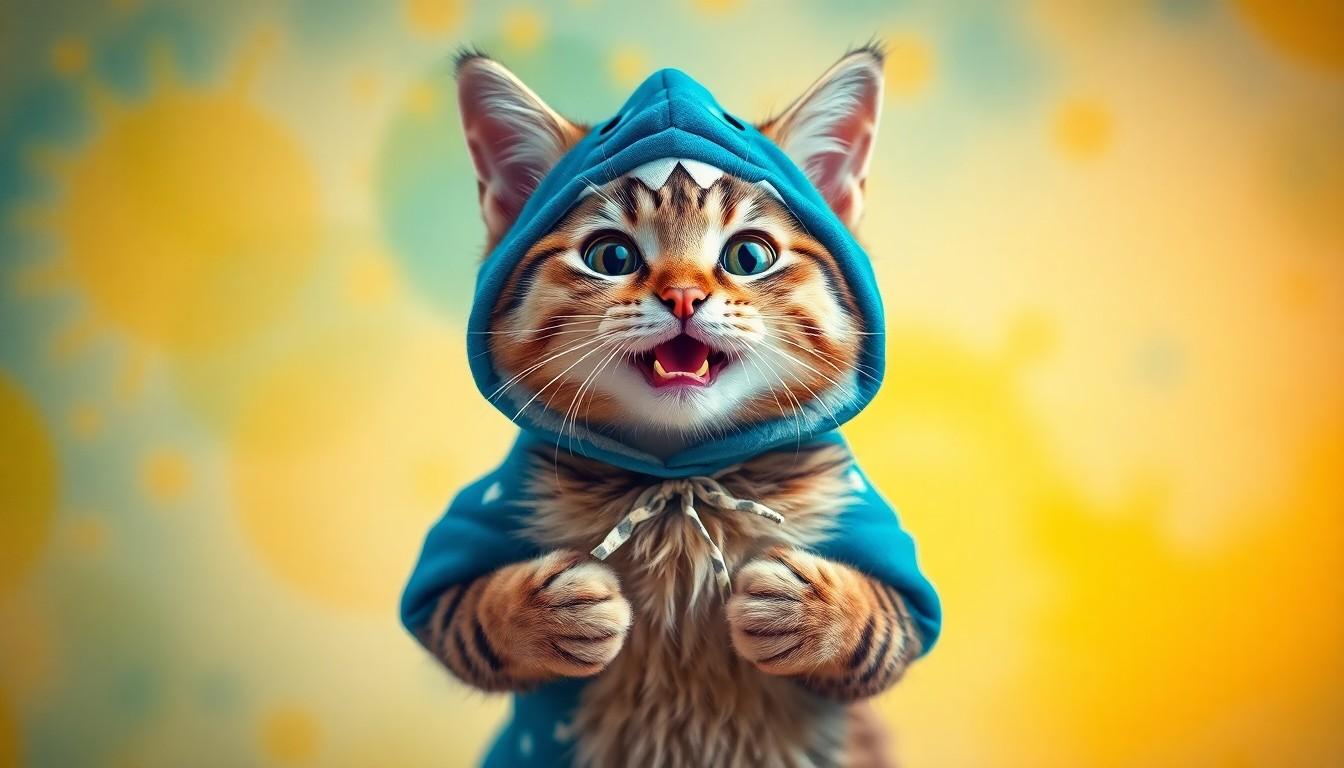
In a world where creativity meets technology, the question of how long it takes for ChatGPT to whip up an image is as intriguing as a cat in a shark costume. With the power of AI at our fingertips, the anticipation builds—will it take seconds or feel like waiting for a pot of water to boil?
Overview of ChatGPT and Image Creation
ChatGPT functions primarily as a text-based AI model, specializing in generating human-like text responses. While it excels in conversation and content creation, it doesn’t inherently create images. However, integrations with image generation tools enhance its capabilities. These tools leverage advanced algorithms to produce visuals based on textual prompts.
Many users experiment with ChatGPT to generate descriptive prompts for these image generators. Interaction typically occurs in two steps: first, the user requests an image, and second, the system generates a suitable textual description. The time required for image creation depends on the external image tool utilized alongside ChatGPT.
Some models, like DALL-E, known for transforming textual descriptions into images, may require several seconds to produce results. Generally, users can expect image outputs within a range of a few seconds to a couple of minutes. This duration correlates with the complexity of the request and the efficiency of the image generation model.
AI continuously evolves, pushing boundaries in creativity and technology. The impressive results achieved by such models excite users, sparking a surge in interest about their potential uses. As these tools advance, they enhance the collaborative dynamics between text and visual creation, enabling innovative applications across various fields.
Through these advancements, interactive discussions emerge on how quickly and effectively ChatGPT can collaborate with image-generating systems. Such collaborations present unique opportunities for artists, marketers, and content creators alike, showcasing the symbiotic relationship between text and visual media.
Factors Influencing Image Creation Time

Image creation time relies on several key factors that can drastically affect the overall speed of generation. Understanding these elements helps users better anticipate wait times when using image generation tools in conjunction with ChatGPT.
Model Complexity
Model complexity impacts the speed of image generation. More intricate models, trained on vast datasets, often require additional processing time. For instance, a sophisticated neural network may take longer to analyze prompts and generate images, while simpler models can produce results more quickly. Different architectures also contribute to variation in performance speeds. Users should consider the complexity of their requests. A detailed prompt naturally increases the workload on the model, leading to longer wait times for output.
Image Resolution
Image resolution directly influences generation time. Higher resolution images require more processing power and time compared to lower resolution images. When users request high-quality visuals, the system engages in more extensive computations. A standard resolution image can process rapidly, while a high-resolution request introduces additional delays. Balancing quality and speed becomes essential, as users need to identify their priorities when requesting images. For quick outputs, opting for lower resolution might be beneficial, while those prioritizing quality may need to accept longer wait times.
User Experience and Expectations
Users often wonder about the time it takes for ChatGPT to facilitate image creation. The efficiency relies heavily on the image generation tools invoked alongside it.
Typical Timeframes
Most image generation tools, such as DALL-E, typically process requests within a few seconds to a couple of minutes. Expect quick results for simple prompts, while more complex requests may extend processing time. A detailed request helps clarify user expectations as intricate image elements require additional time to render. The variations in prompt specifics lead to fluctuations in response times. Users find that submitting straightforward prompts usually yields faster creations compared to elaborate ones.
Variability in Responses
Response times can differ significantly based on multiple factors. The complexity of the chosen model influences how fast the system can produce an image. Higher resolution settings demand more processing power, which increases wait time. Additionally, server load and network conditions can play a role in speed variability. A busy network may slow down delivery, while a dedicated server may quicken it. Each user’s experience can vary based on their specific request and circumstances, emphasizing the need for understanding these dynamics.
Comparison with Other AI Image Generators
Various AI image generators exhibit distinct performance with respect to image creation time. DALL-E, for example, typically processes requests within seconds to a couple of minutes, depending on prompt complexity. Midjourney also operates within a similar timeframe, often generating images in under a minute, offering a streamlined experience for users.
OpenAI’s DALL-E excels at producing high-quality visuals but can extend processing time for intricate scenes. Conversely, simpler prompts yield faster outputs. Stability AI’s stable diffusion can take longer due to its detailed rendering process, especially when generating high-resolution images.
Image resolution significantly influences generation time. Generators that produce high-definition visuals require more computing power, leading to longer wait times. ChatGPT’s integration with other models amplifies this effect, as the initial text processing adds a layer of complexity before image generation begins.
User experience varies across platforms. Users often find Midjourney’s interface intuitive, reducing the perceived wait time due to its engaging design. On the other hand, DALL-E’s sophisticated results might make waiting worthwhile, as users anticipate impressive output quality.
Network conditions and server load further complicate response times. High traffic periods can cause delays, affecting all generators regardless of their prowess. Each model’s architecture plays a role, with some designed for speed and others optimized for quality.
Comparing these generators highlights users’ need to balance speed and quality when selecting an AI image tool. Prioritizing simplicity in prompts can lead to faster results, though users should remain mindful of the trade-offs that may arise in visual fidelity.
The rapid evolution of AI technology continues to reshape the landscape of image creation. While ChatGPT itself doesn’t generate images directly, its ability to craft detailed prompts enhances the functionality of various image generation tools. Users can expect processing times to vary based on factors like model complexity and image resolution.
As these tools become more integrated and user-friendly, the balance between speed and quality remains crucial. Understanding the dynamics of prompt specificity and tool capabilities empowers users to make informed choices. This journey into AI-driven creativity not only excites artists and marketers but also opens doors for innovative applications across multiple fields. The future holds promising possibilities for those willing to explore the intersection of text and visual media.