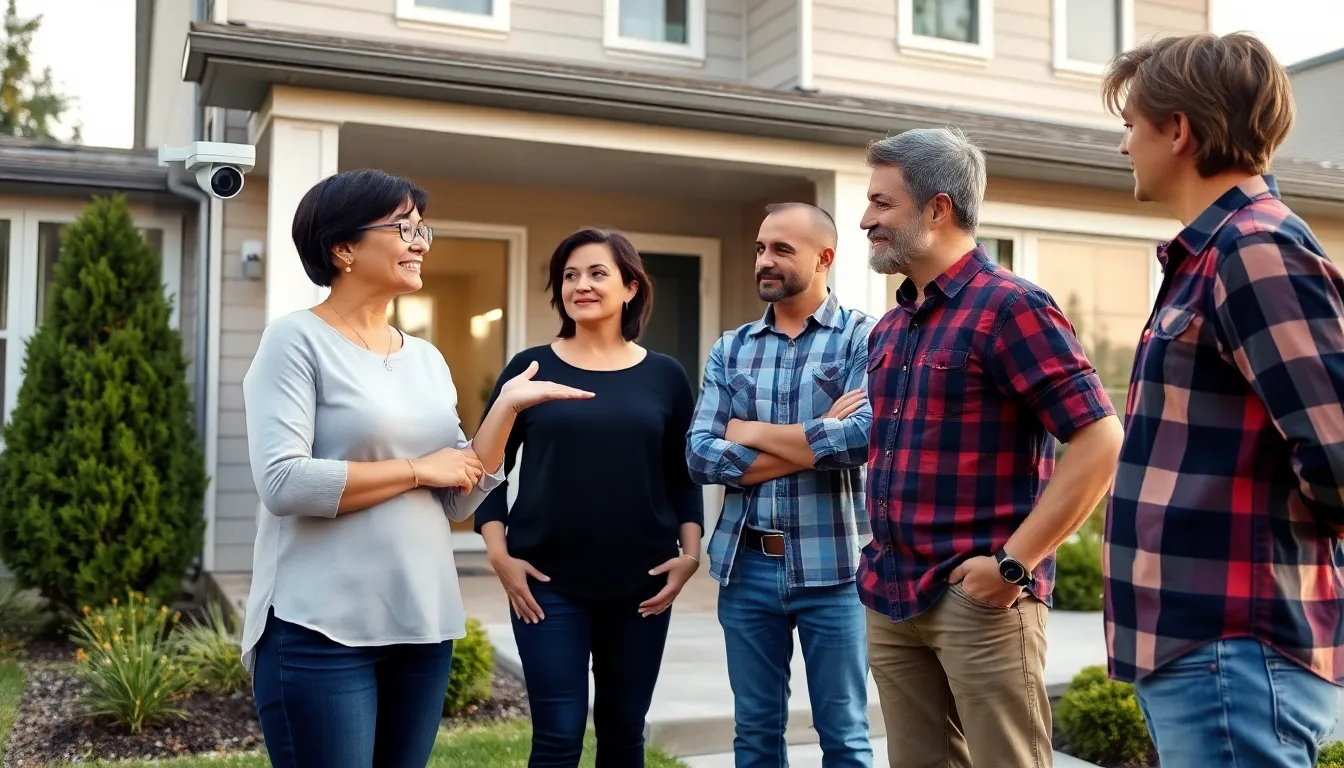
In a world where threats lurk around every corner, automated security is like having a superhero on speed dial. Imagine a watchful guardian that never sleeps, tirelessly monitoring your surroundings while you binge-watch your favorite series. It’s not just a luxury; it’s a necessity.
With technology advancing faster than a cat meme goes viral, automated security systems are stepping in to save the day. They’re smart, efficient, and ready to tackle anything from petty theft to cyber attacks. Gone are the days of worrying about whether you locked the door or left the garage open—now, your home can be as secure as Fort Knox, minus the moat and alligators.
Embracing automated security means investing in peace of mind. So, why not let technology do the heavy lifting while you kick back and enjoy life?
Overview of Automated Security
Automated security systems offer advanced monitoring capabilities that enhance safety. These technologies utilize sensors, cameras, and software to detect threats in real-time. Homeowners benefit significantly from such systems, which provide immediate alerts in case of security breaches.
A wide range of devices contributes to the automated security landscape. These include smart locks, motion detectors, and surveillance cameras, all working together to create a robust security network. Professionals often integrate these components, ensuring seamless operation throughout the property.
Monitoring services play a crucial role in maintaining security. Many systems offer 24/7 surveillance, allowing for quick responses to incidents. Remote access features enable users to monitor their properties from smartphones or tablets, further enhancing convenience.
Additionally, automation reduces the risk of human error. Routine tasks, such as locking doors or activating alarms, occur without manual input. This consistent oversight decreases vulnerability, as systems remain vigilant at all times.
Investment in automated security systems often leads to lower insurance premiums. Insurance providers recognize the reduced risk associated with properties equipped with advanced security measures. Many homeowners find this financial incentive appealing alongside the peace of mind that comes with enhanced safety.
The integration of smart home technology also enhances automated security systems. Devices connect to a central hub, allowing for streamlined communication and control. This interconnectedness often provides added layers of protection while offering users an intuitive experience.
Automated security systems represent a critical advancement in personal safety. Their ability to adapt, monitor, and respond to threats creates an environment where individuals can feel secure.
Benefits of Automated Security
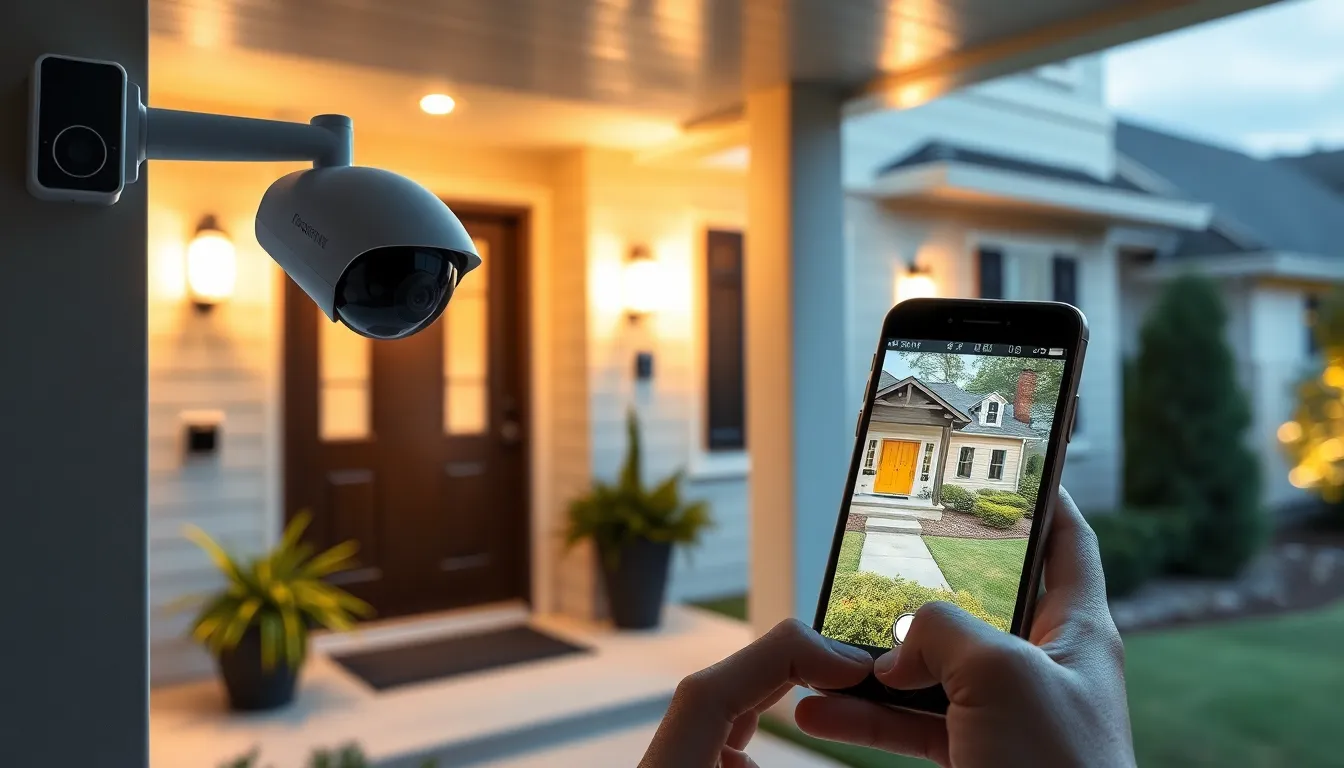
Automated security systems offer significant advantages, including increased efficiency and cost savings. These benefits transform how individuals manage safety in their environments.
Enhanced Efficiency
Automated security systems operate consistently, ensuring constant monitoring without human intervention. Sensors and cameras detect unusual activities in real-time, sending alerts immediately. Remote access allows users to monitor their premises from anywhere. These systems integrate various devices for comprehensive protection, making management simpler and more effective. Automation minimizes the chances of human errors that could lead to security breaches. Overall, these features contribute to heightened safety while making daily life more convenient.
Cost Savings
Investing in automated security can lead to substantial cost savings over time. Insurance companies often reduce premiums for properties equipped with advanced security systems due to lower risk profiles. Minimizing theft and damage decreases potential losses that homeowners may face. Maintenance costs also tend to be lower, as automated systems require less manual oversight. Beyond insurance savings, the peace of mind that comes from reliable security promotes a stress-free lifestyle.
Types of Automated Security Systems
Automated security systems encompass various technologies designed to enhance safety and vigilance. Key categories include surveillance systems and access control.
Surveillance Systems
Surveillance systems enhance security by providing real-time video monitoring. These systems consist of cameras, both indoor and outdoor, which capture footage of an area. Each camera connects to a central hub for easy access, enabling users to view live feeds or recorded footage remotely. Motion sensors can trigger notifications when unusual activity is detected, ensuring prompt alerts. Wired and wireless options offer flexibility in installation, catering to different needs. Many modern systems integrate artificial intelligence to analyze footage, identifying potential threats more accurately.
Access Control
Access control systems govern entry to properties or specific areas within. Keypads, biometric scanners, or smart locks replace traditional keys, enhancing security measures. Users can grant or revoke access remotely, allowing for efficient management of who enters. Time-specific access can be set for visitors, ensuring unauthorized entry is minimized. Some systems are linked to mobile devices, enabling remote locking or unlocking from anywhere. This level of control not only increases security but also simplifies everyday life by streamlining entry processes.
Challenges in Implementing Automated Security
Challenges arise when integrating automated security systems into existing infrastructures. These difficulties encompass a variety of technical issues and privacy concerns.
Technical Issues
Technical challenges frequently hinder successful implementation. Compatibility between new security systems and existing hardware often poses a significant hurdle. Setup complications can arise due to network connectivity problems, impacting real-time monitoring. Malfunctions of software and devices may lead to false alarms or system outages, which can erode user trust. Additionally, continuous updates and maintenance are vital to ensure optimal performance. Users may also encounter difficulties in managing multiple devices within a unified system, complicating overall operation and effectiveness.
Privacy Concerns
Privacy issues present another significant obstacle. Automated security systems often rely on extensive data collection, raising concerns surrounding sensitive information. Individuals worry about unauthorized access to their footage and the potential for misuse by third parties. Regulations regarding data protection can become complex, with organizations needing to navigate these laws to remain compliant. Users frequently express unease about surveillance practices, fearing invasions of personal space and privacy. Addressing these issues is crucial for organizations seeking to foster trust and confidence in their systems.
The Future of Automated Security
Emerging technologies are shaping the future of automated security systems. Innovations in machine learning and artificial intelligence are enhancing threat detection capabilities. Visitors to properties now encounter smart security systems that adjust based on real-time data analysis.
Integration of Internet of Things (IoT) devices continues to evolve. Sensors and cameras communicate seamlessly, creating a comprehensive monitoring environment. Adaptive algorithms process large volumes of data quickly to identify unusual activities. Users benefit from receiving immediate alerts on their mobile devices, allowing for prompt responses.
Companies are also focusing on privacy concerns. Improved data encryption methods protect sensitive information collected by security systems. Regulations surrounding data protection are becoming stricter, requiring manufacturers to adopt more transparent practices. Building trust involves ensuring that consumers understand how their data is being used and protected.
Investment in automation technology is expected to grow. Reports indicate that the global automated security market is projected to reach USD 100 billion by 2026, showing a compound annual growth rate of 12%. This notable expansion reflects the increasing demand for reliable security solutions.
Lastly, remote accessibility remains a priority. Homeowners appreciate being able to monitor their properties from anywhere. Integration of voice-activated assistants allows for hands-free operation, enhancing user experience. As automated security continues to advance, maintaining a balance between convenience and privacy becomes essential for achieving widespread adoption.
Automated security systems represent a crucial evolution in personal safety. They provide constant vigilance against threats while offering users peace of mind. As technology advances the capabilities of these systems the integration of smart features enhances both convenience and security.
Addressing the challenges of implementation and privacy concerns will be vital for building trust among users. The future looks promising with innovations in machine learning and IoT creating smarter and more responsive security solutions. Investing in automated security not only protects homes but also fosters a stress-free lifestyle, making it an essential choice for modern living.