
Imagine walking into your home and having everything respond to your every whim. A smart home hub makes that dream a reality, turning your ordinary living space into a futuristic wonderland. It’s like having a personal assistant who never takes a coffee break—always ready to dim the lights, adjust the thermostat, or even play your favorite tunes with just a voice command.
In a world where juggling multiple apps and devices can feel like a circus act, a smart home hub simplifies the chaos. It connects all your smart devices, making them work together seamlessly. So why not trade in the juggling act for a little magic? With the right hub, your home can become a symphony of convenience and comfort, all while you sit back and enjoy the show.
Overview of Smart Home Hub
A smart home hub acts as the central command for all smart devices within a house. This device communicates with various connected systems, ensuring seamless integration. Users benefit from improved convenience since they manage multiple devices through one interface.
Device compatibility is crucial for a smart home hub, as it supports a variety of brands and technologies, enabling a more unified experience. Commonly connected devices include smart lights, thermostats, and security cameras. Central control allows for automation scenarios, like adjusting lighting based on time of day or triggering security systems when the homeowner is away.
Enhanced convenience comes from voice control capabilities, enabling users to give commands without using a smartphone or remote. For example, homeowners can ask for specific actions, like turning off the lights or starting the coffee maker. Integration with virtual assistants, such as Amazon Alexa and Google Assistant, makes the experience more interactive.
Functionality extends beyond simple commands. Smart home hubs often include robust features for monitoring energy usage or creating schedules, optimizing efficiency. With integration options, users can also set environments, like movie night settings that dim lights and turn on the TV. This level of customization enriches the user’s living environment.
Security benefits from this integration, too. Many smart home hubs provide alerts and monitoring features that help keep homes safe. Integration with cameras and sensors allows for real-time notifications regarding unusual activity.
Smart home hubs enhance both convenience and functionality, transforming the way homeowners interact with their environments. Different models cater to various preferences, ensuring there’s a solution for everyone.
Benefits of Using a Smart Home Hub
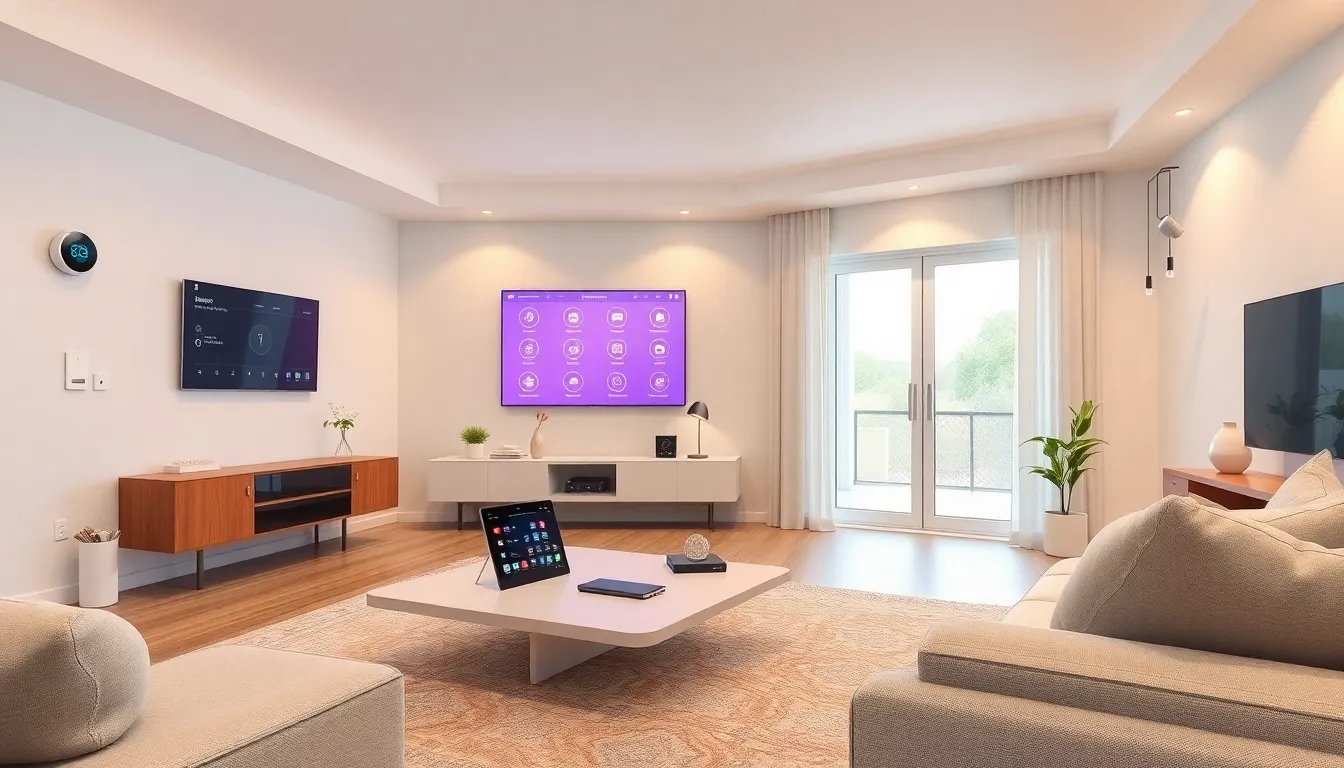
Smart home hubs offer numerous advantages that enhance the living experience. These benefits range from improved connectivity among devices to advanced automation features.
Enhanced Connectivity
Enhanced connectivity plays a crucial role in the functionality of smart home hubs. These hubs provide a centralized platform to manage various devices, ensuring seamless communication between smart lights, thermostats, and security cameras. Users experience less hassle when controlling multiple products, as everything connects through one interface. Compatibility with different brands is vital. Many devices, regardless of the manufacturer, can interact smoothly, allowing homeowners to build a customized network that meets their needs. Higher connectivity leads to better performance, ensuring devices respond promptly to commands.
Improved Automation
Improved automation transforms daily routines significantly. Smart home hubs enable users to create personalized schedules for various devices, optimizing energy usage and convenience. For instance, lights can automatically turn on at sunset, while thermostats adjust temperatures based on user preferences. Additionally, advanced automation options like scenes allow multiple devices to work together with a single command. This feature enhances efficiency and creates a more comfortable living space tailored to individual activities. The ability to control all elements through voice commands or mobile apps adds another layer of convenience to everyday life.
Types of Smart Home Hubs
Smart home hubs come in various types, each serving distinct functionalities that cater to different smart home ecosystems. Understanding these types helps users select the best option for their needs.
Centralized vs. Distributed Hubs
Centralized hubs manage multiple devices through one main controller. This model simplifies operation as all devices connect to a single interface. Distributed hubs, on the other hand, allow devices to communicate directly with each other, reducing dependence on a central controller. Each type has its advantages; centralized hubs often provide easier setups, while distributed systems can enhance speed and reliability.
Popular Brands and Models
Numerous reputable brands dominate the smart home hub market. Amazon offers the Echo Plus, renowned for its integration with Alexa and vast compatibility. Google provides the Nest Hub, known for its user-friendly interface and seamless Google Assistant functionality. Samsung’s SmartThings Hub supports diverse devices across many brands. Other models, like the Apple HomePod Mini, focus on Apple ecosystem compatibility. Users choose brands based on specific features, device compatibility, and personal preferences.
Features to Consider
When selecting a smart home hub, several features greatly influence user experience and functionality.
Compatibility with Devices
Compatibility with devices stands as a fundamental consideration. A hub should support a wide range of brands and technologies, enabling seamless integration. For instance, it must work well with popular smart lights, thermostats, and security cameras. Verified compatibility allows homeowners to create a unified network, enhancing overall convenience. Choosing a hub that accommodates common communication standards like Zigbee or Z-Wave can further expand device options. Ensuring that the hub connects effortlessly with existing smart devices leads to a more integrated smart home experience.
User Interface and Experience
User interface and experience play essential roles in selecting a smart home hub. An intuitive interface allows for quick navigation through settings and features. Users often appreciate voice command capabilities that facilitate hands-free control, especially when multitasking. Customization options enhance user satisfaction, letting individuals tailor experiences to their preferences. Furthermore, a responsive design contributes to smoother interactions, preventing frustration. A well-designed app can offer remote control capabilities, monitoring energy usage, and creating schedules, enriching the overall smart home experience.
A smart home hub is more than just a device; it’s a gateway to a more integrated and efficient living environment. By centralizing control of various smart devices, it enhances convenience and streamlines daily routines. With the ability to manage everything from lighting to security through a single interface, homeowners can enjoy a seamless and personalized experience.
Choosing the right hub is crucial for maximizing these benefits. Compatibility with a wide range of devices and user-friendly features can significantly impact satisfaction. As technology continues to evolve, smart home hubs will play an increasingly vital role in transforming homes into smart, responsive spaces that cater to individual needs.